




The world of hunting cameras and night vision has evolved far beyond simple tools for harvesting game. Today, this sector is at the forefront of a technological revolution, driven by consumer demand for non-invasive wildlife monitoring, enhanced security, and unparalleled outdoor experiences. The latest industry trends reflect a fascinating convergence of connectivity, image clarity, and accessibility.
The most significant shift is the unstoppable rise of wireless and cellular trail cameras. Gone are the days of weekly treks to check SD cards. Modern models transmit high-resolution images and videos directly to a user’s smartphone via LTE/4G networks, often in near real-time. This has been a game-changer for hunters scouting patterns and, equally, for researchers, conservationists, and property owners conducting long-term wildlife studies without disturbing habitats. Subscription-based models for data plans are now a standard part of the business ecosystem for major brands like Spypoint, Tactacam, and Bushnell.
Image quality, especially under the cloak of darkness, has seen dramatic improvements. While traditional flash or infrared (IR) illuminators remain common, there's a noticeable move toward no-glow and low-glow black LED technology, which is virtually invisible to both humans and animals, minimizing spook. On the premium end, thermal imaging is becoming more accessible. Once the exclusive domain of military and professional use, companies like AGM Global Vision and FLIR are introducing more affordable handheld monoculars and scopes. Thermal detects heat signatures, allowing users to see animals in total darkness, through light fog, and even in dense brush—a capability traditional night vision cannot match.
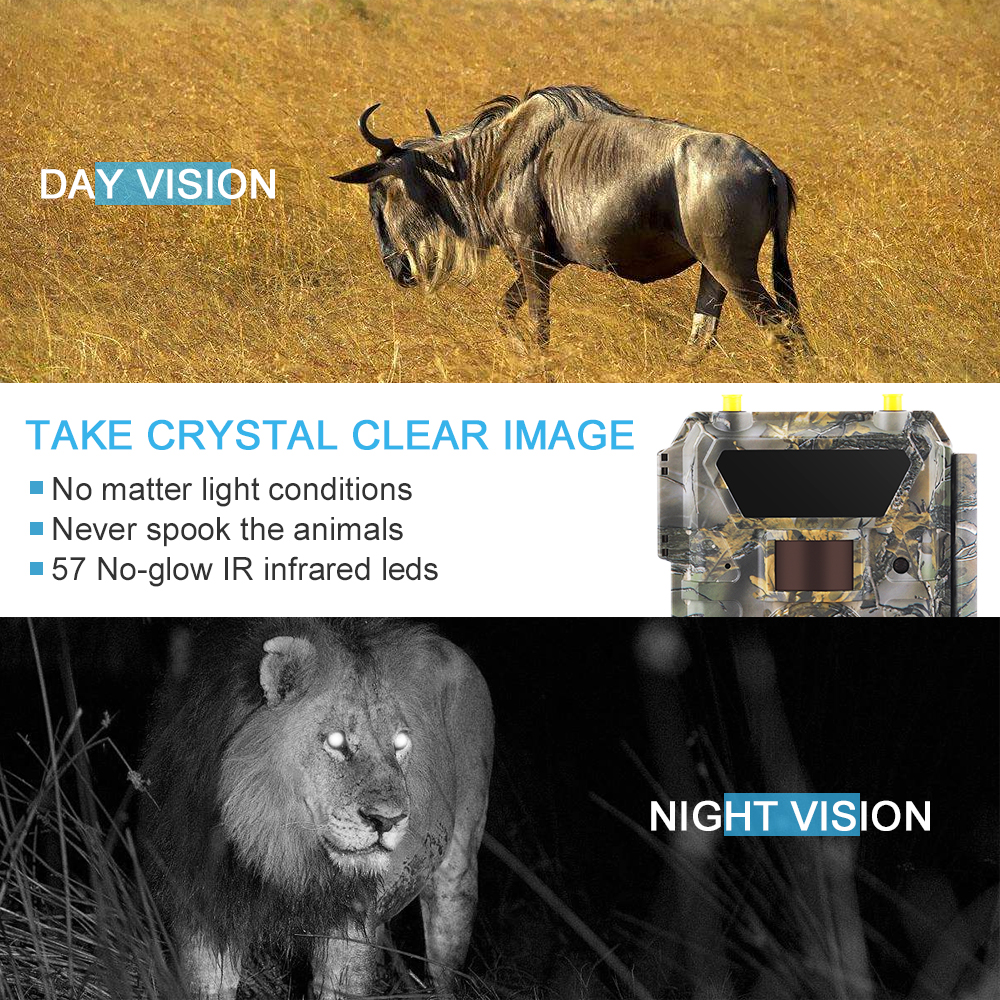
Speaking of traditional night vision, digital night vision (DNV) is challenging old-generation image intensifier tubes. DNV devices amplify available light digitally, often offering built-in recording, zoom capabilities, and immunity to damage from bright light exposure. They are typically more affordable and are rapidly closing the gap in performance for the average user.

Furthermore, the market is seeing a blurring of lines between dedicated devices. Multi-function optics that combine daytime riflescopes with digital night vision or thermal capabilities in one unit are growing in popularity. Similarly, the integration of solar power panels addresses the high power consumption of always-connected cameras and high-end optics, promoting longer deployments in the field.
In conclusion, the industry is dynamically pivoting towards smarter, more connected, and more powerful observation tools. The focus is on providing seamless, remote access to data and delivering crystal-clear vision in all conditions. Whether for responsible hunting, scientific research, or farm security, the modern “invisible hunter” is empowered by technology that offers a window into the natural world’s most secretive hours, all while leaving nothing but footprints.